More than 60 million Americans now use remote patient monitoring devices, according to OpenPR. And that number keeps climbing as healthcare shifts beyond the walls of the clinic.
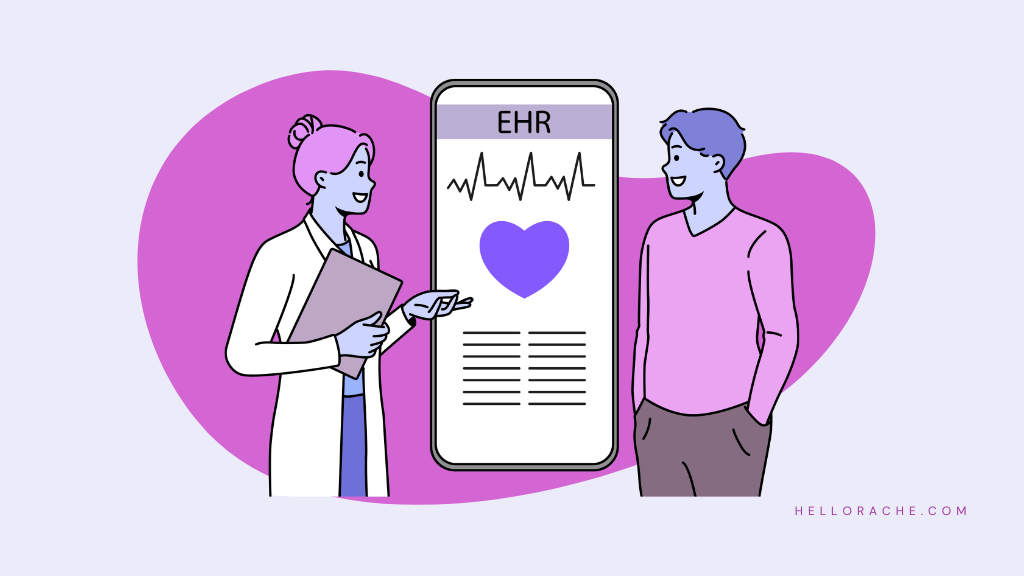
Remote patient monitoring (RPM) is a care model that allows providers to track a patient’s health data from home. It involves the use of connected medical devices. These let patients measure vital signs, such as blood pressure, blood glucose, and blood oxygen saturation. The data is then automatically sent to the care team for review.
This shift comes at the right time. Chronic disease continues to rise across the United States. Conditions like hypertension, diabetes, and chronic obstructive pulmonary disease require consistent tracking. Not just occasional office visits. At the same time, since the COVID-19 pandemic, healthcare delivery has moved toward more telehealth visits and digital care models.
Policy changes are also helping accelerate adoption. The Centers for Medicare & Medicaid Services (CMS) expanded reimbursement for RPM through specific CPT codes, making remote monitoring financially viable for practices. Today, providers can monitor patients between visits, improve health outcomes, and create a more proactive care model.
In this guide, you’ll learn:
- What remote patient monitoring is and how it fits into modern healthcare technology
- How RPM programs work in real-world clinical settings
- Which clinical conditions benefit most from continuous monitoring
- What RPM devices and connected monitoring devices are commonly used
- How billing, CPT codes, and reimbursement work for healthcare practices
- Steps medical practices can take to launch a successful RPM program
Highlights
- Remote patient monitoring (RPM) enables continuous care between visits by using connected devices — such as blood pressure monitors, glucose meters, and pulse oximeters — to automatically transmit patients’ vital signs to their care team without requiring in-person appointments.
- RPM is clinically proven to reduce hospitalizations, with one 2024 study showing home monitoring cut hospital stays by 58% and ER visits by 88% within three months among high-risk post-discharge patients.
- Medicare reimburses RPM through four primary CPT codes (99453, 99454, 99457, 99458), covering device setup, monthly data transmission, and care management time — generating an estimated $43–$170+ per enrolled patient per month for practices.
- RPM is most effective for patients with chronic conditions, including hypertension, Type 2 diabetes, COPD, heart failure, and post-surgical recovery, where continuous vital sign tracking enables earlier intervention before conditions escalate.
- Launching an RPM program requires seven core steps: assessing patient population, selecting a vendor, establishing billing infrastructure, educating patients, enrolling eligible individuals, monitoring and documenting interactions, and tracking outcomes to optimize the program over time.
What Is Remote Patient Monitoring (RPM)?
Remote patient monitoring is a system that allows doctors to monitor a patient’s condition, such as diabetes and hypertension, while the patient remains at home. Instead of relying only on in-office measurements, clinicians receive regular readings from connected monitoring devices that transmit information directly to a secure platform.
The goal is simple. Physicians gain a clearer view of how a patient’s health changes between in-office visits. The care team can intervene earlier when trends like these appear:
- Declining pulse oximetry readings
- Unstable blood pressure
- Rising blood sugar
RPM is also an important part of the broader telehealth ecosystem. Telehealth visits allow providers to speak with patients via video or phone. RPM focuses on continuous health monitoring between those visits. Together, these tools help providers stay connected to patients. And make more informed treatment decisions.
How Is Remote Patient Monitoring Different from Telehealth?
People often use telehealth visits and remote patient monitoring interchangeably. They’re related. But they have different purposes.
Telehealth is the umbrella term for delivering healthcare services remotely. It can include:
- Secure messaging through smartphone applications or patient portals
- Video consultations through video telemedicine
- Phone visits with a medical provider
Within telehealth, telemedicine refers specifically to clinical care delivered online. During a telemedicine visit, a provider:
- Evaluates symptoms
- Discusses treatment options
- May prescribe medication
Remote patient monitoring works differently. It’s continuous and device- and data-driven. It’s not a single virtual appointment, but it takes place between medical visits.
In short:
- Remote monitoring provides ongoing clinical data between medical visits
- Telehealth visits provide virtual appointments
- Telemedicine delivers clinical care remotely
Together, these tools create a more complete digital care model.
How Is Remote Patient Monitoring Different from Remote Therapeutic Monitoring (RTM)?
Another concept that often appears alongside RPM is remote therapeutic monitoring (RTM). Both programs rely on digital health tools. However, they track different types of information.
Remote patient monitoring focuses on physiological measurements. These come directly from biometric monitoring devices and clinical equipment. These include:
- Wearable devices that capture heart rhythm or vital sign data
- Blood pressure monitors
- Blood glucose meters
- Pulse oximeters
- Smart scales
These readings measure how the body is functioning.
Remote therapeutic monitoring, on the other hand, focuses on non-physiologic treatment-related data. It doesn’t track vital signs. But it collects information like:
- Activity levels recorded by activity trackers or wearable devices
- Patient-reported symptoms or therapy progress
- Medication use and compliance
- Pain levels during recovery
How Does Remote Patient Monitoring Work?
Remote patient monitoring programs follow a structured workflow that outlines how patients are enrolled, monitored, and supported over time.
Most programs follow the same six-step process.
Step 1: Patient Enrollment
The process begins when a medical provider identifies patients who may benefit from remote monitoring. These are often individuals with chronic conditions like hypertension or diabetes.
The provider explains the program and obtains patient consent. The care team reviews the patient’s clinical history in the electronic health record tool to confirm eligibility. Once enrolled, the practice orders RPM devices. It also arranges delivery or in-office pickup.
Step 2: Device Setup
After enrollment, the patient receives a connected medical device for home monitoring. Examples include blood glucose meters or pulse oximeters.
Many RPM vendors provide cellular-connected devices. These don’t require Wi-Fi, smartphone applications, or technical setup. The devices automatically send readings over cellular networks. Most programs use clinically validated or FDA-cleared devices. This ensures that data is accurate for clinical decision-making.
Step 3: Data Collection
Patients begin collecting readings at home using their assigned RPM devices. They may measure blood oxygen or blood sugar each day. It all depends on their plan.
The device then sends the health information to the provider’s monitoring platform. The platform connects to the electronic health record or a secure web portal where clinical staff can review the data.
Step 4: Clinical Review
As data flows in, the care team monitors readings through a dashboard or centralized monitoring system. Many programs use a virtual command center that allows clinical staff to review multiple patients at once.
The system triggers alerts when readings fall outside the safety range. For example, let’s say a patient experiences a spike in blood pressure or a drop in blood oxygen level. The system may trigger a notification to help clinicians review the data quickly.
Step 5: Intervention and Follow-Up
When there’s a worrying trend, the care team contacts the patient. This may occur via a phone call, a secure message, or a scheduled telehealth visit.
Providers may adjust medications, provide patient education, or recommend further evaluation. Early action can prevent complications that lead to hospital admission or emergency care.
In fact, a 2024 JMIR Formative Research study on high-risk patients after hospital discharge, home monitoring cut hospital stays by 58%. It also cut ER visits by 88%. This happened in just three months.
Step 6: Ongoing Monitoring and Billing
Remote monitoring continues as part of a monthly care cycle. Patients continue to submit readings while the care team reviews incoming health data.
Providers document the time spent reviewing device data and communicating with patients. This includes interactive communication such as phone calls or telehealth visits. The recorded time supports reimbursement through approved CPT codes.
What Conditions Does Remote Patient Monitoring Treat?
Common conditions treated or managed with RPM include:
- Mental health and behavioral care (emerging). Wearable devices and activity trackers can track sleep, activity, and heart rate patterns to support behavioral health care and improve patient engagement.
- Type 2 diabetes. Continuous or regular blood glucose monitoring helps doctors track blood sugar trends. This can lower HbA1c levels and reduce emergency room visits.
- Hypertension and cardiovascular disease. Regular blood pressure monitoring helps detect dangerous spikes. It also lowers the risk of serious cardiac diseases.
- Chronic obstructive pulmonary disease (COPD), Pulse oximetry tracking allows you to monitor blood oxygen levels. It helps catch breathing problems early.
- Post-surgical recovery. Monitoring vital signs at home helps providers detect complications. It also helps reduce hospital readmissions during care transitions.
- Hypertension in pregnancy / maternal health. Regular blood pressure monitoring helps providers detect severe hypertension in high-risk pregnancies.
- Heart failure / congestive heart failure. Daily weight checks s can reveal fluid buildup before symptoms worsen.
- Obesity and post-bariatric surgery. Weight tracking supports medically supervised weight loss and post-surgery recovery.
Remote Patient Monitoring Devices
Remote patient monitoring programs use different RPM devices to track key vital signs and health metrics. Each device supports the management of specific medical conditions.
| Device | Metric Measured | Best For |
|---|---|---|
| Blood pressure monitors | Systolic and diastolic blood pressure, heart rate | Hypertension and cardiovascular disease |
| Blood glucose meters | Blood glucose and blood sugar levels | Type 2 diabetes and pre-diabetes |
| Weight scales | Body weight changes | Congestive heart failure, obesity, post-bariatric care |
| Pulse oximeters | Blood oxygen level and pulse rate | Chronic obstructive pulmonary disease, asthma, post-COVID monitoring |
| Thermometer | Body temperature | Infection monitoring and post-surgical care |
| Wearable ECG monitors or Holter monitors | Cardiac rhythm and heart activity | Atrial Fibrillation (AFib) and other heart rhythm disorders |
| Spirometer | Lung function and airflow | COPD and asthma monitoring |
When choosing RPM devices, healthcare practices should consider a few important factors:
- Cellular-connected devices vs Bluetooth. Many connected medical devices transmit data through cellular networks (LTE). Unlike Bluetooth devices, patients don’t need Wi-Fi, apps, or a technical setup. This improves patient adherence. Especially for older patients.
- Ease of use. Devices must be simple to operate. They should have clear displays, large buttons, and automatic data transmission. These features help elderly or less tech-savvy patients stay engaged in their care.
- Custom branding options. Some RPM vendors offer white-label devices. This allows healthcare organizations to brand their connected monitoring devices and patient materials.
- Clinically validated vs. consumer-grade devices. Clinically validated devices provide reliable vital sign data and help practices meet Medicare compliance requirements.
Benefits of Remote Patient Monitoring
RPM offers clear advantages for both patients and healthcare practices. Let’s see how.
Benefits of RPM for Patients
Here are the benefits that remote patient monitoring offers for patients:
- Care from home. Patients can track vital signs at home without frequent clinic visits. Travel distance is a key barrier to care. For example, rural patients have to travel 2 to 3 times farther than urban patients (Source: SageJournals).
- Lower out-of-pocket costs. Medicare covers RPM services at 80% after the deductible is met. With a typical monthly reimbursement of $100 – $120, patients often pay a 20% copay of about $20–$25 per month.
- Earlier detection of health changes. Continuous remote monitoring helps providers detect warning signs early. They can also intervene before problems become emergencies.
- Better communication with providers. RPM programs increase touchpoints between patients and their care teams. This strengthens trust and support.
- Greater patient engagement. Many patients feel more involved in their care when they regularly measure their own health metrics.
- Fewer emergency visits. Tracking vital signs regularly can reduce preventable ER visits and hospitalizations.
Benefits of RPM for Healthcare Providers & Practices
These are the benefits that RPM programs offer to medical teams and practices.
- Recurring revenue opportunities. A single enrolled Medicare patient can generate roughly $43 to $170+ per month in practice revenue through RPM services (Sources: Intelligent Health Partners, CandiHealth).
- Dual program enrollment potential. Patients enrolled in both RPM and chronic care management programs may generate about $113 per patient per month (Source: Remote Care Partners).
- Supports value-based care goals. RPM helps practices improve clinical outcomes, quality metrics, and long-term patient management.
- Better visibility into patient health. Continuous health data provides a clearer picture of patient status between appointments.
- More proactive care. Instead of reacting to crises, providers can intervene earlier when vital-sign data begins to change.
- Scalable for many practice sizes. RPM programs can support solo physicians, group practices, and large health systems.
- Reduced hospital readmissions. Early monitoring helps prevent complications that often lead to hospital admissions.
Remote Patient Monitoring Billing: CPT Codes and Reimbursement
Medicare and many private insurers reimburse remote patient monitoring services through specific CPT codes. These codes allow healthcare practices to bill for:
- Care management activities performed between visits
- Ongoing monitoring
- Device setup
When used correctly, RPM can support better patient care while creating a sustainable revenue stream for practices.
Key RPM CPT Codes
Here’s a table that summarizes RPM CPT does. It indicates what each covers and provides additional notes.
| CPT Code | What It Covers | Notes |
|---|---|---|
| 99453 | Initial setup of RPM devices and patient education on device use | One-time charge when the device is first set up |
| 99454 | Device supply with daily recordings and data transmission for remote monitoring | Billed monthly when at least 16 days of data are collected in a 30-day period (this day-count requirement is being relaxed in newer guidance)¹ |
| 99457 | First 20 minutes of treatment management and interactive communication with the patient each month | Billed monthly |
| 99458 | Each additional 20 minutes of treatment management beyond the first 20 minutes | Add-on code to 99457 |
| 99091 | Collection and interpretation of physiologic health data for at least 30 minutes in 30 days | Legacy code used less frequently today |
Medicare Coverage Rules for RPM
The CMS established clear rules for RPM reimbursement under the Medicare Physician Fee Schedule.
Key requirements include:
- Provider order. A physician or qualified healthcare professional must order RPM for the patient.
- Eligible patients. RPM most often covers individuals with at least one chronic condition.
- Minimum data requirement. At least 16 days of device data must be collected during a 30-day period to bill CPT 99454.
- Interactive communication. To bill 99457, providers must document at least 20 minutes of RPM management time in a calendar month. This includes at least one real-time, two-way audio or audio-video interaction. CPT 99458 covers each additional 20 minutes.
- Documented consent. The patient must consent to participate in the RPM program.
Private Insurance Coverage
Many private insurers now reimburse remote monitoring services. In many cases, commercial plans follow the structure established by Medicare.
Some virtual-first health plans are also making remote patient monitoring a core benefit.
However, coverage rules and reimbursement amounts vary by payer. Healthcare practices should verify billing policies and medical documentation requirements with each insurer before launching an RPM program.
Who Can Bill for RPM?
Several healthcare professionals and organizations can bill for RPM services.
These include:
- Physician assistants (PAs)
- Nurse practitioners (NPs)
- Physicians
In addition, rural health clinics (RHCs) and Federally Qualified Health Centers (FQHCs) are also eligible to receive Medicare reimbursement for RPM services.
In many cases, clinical staff can perform monitoring activities under the general supervision of a physician.
How to Start a Remote Patient Monitoring Program: Step-by-Step
Starting an RPM program requires:
- Proper billing processes
- The right technology
- Clear workflows
With the right setup, practices can monitor patients more closely while improving operational efficiency.
Step 1: Assess Your Patient Population
Begin by identifying patients who would benefit most from remote monitoring. Many practices start with individuals who have chronic conditions like diabetes or heart failure.
Focus first on high-risk or high-utilization patients. These patients often benefit most from frequent vital-sign monitoring and early intervention.
Step 2: Choose an RPM Vendor/Platform
Evaluate remote patient monitoring companies that provide RPM devices and monitoring platforms. Look for solutions that offer:
- Connected medical devices
- reliable data transmission
- Easy-to-use dashboards
Practices should also consider:
- Device quality (cellular vs. Bluetooth)
- Compliance support
- Software usability
- Billing integration
- Scalability.
Consider whether the vendor also offers staffed care management services. You can also opt for virtual assistant services, where a remote assistant handles billing, online meetings, and customer concerns online.
Step 3: Set Up Billing Infrastructure
Don’t launch the program yet. First, make sure the practice can properly bill for RPM services.
Billing teams should understand the relevant CPT codes, documentation requirements, and payer policies. Practices should also confirm that their EHR and billing systems can track monitoring time and submit accurate claims.
Step 4: Develop Patient Education Materials
Patients need to understand:
- How to use their device
- Why they’re enrolled
- What to expect
Clear onboarding reduces dropout and improves data compliance.
Step 5: Enroll Your First Patients
Once the program is ready, begin enrolling eligible patients. The practice should:
- Document consent
- Order the appropriate connected monitoring devices
- Confirm that devices are delivered or activated
Also, confirm the patient submits at least 16 days of readings per billing month.
Step 6: Monitor, Intervene, and Document
Afterward, the care team begins reviewing incoming health data from the monitoring platform.
Providers should:
- Communicate with patients when readings change
- Document all patient interactions
- Respond to alerts
Proper documentation helps support both quality care and reimbursement. Many practices also use remote clinical support.
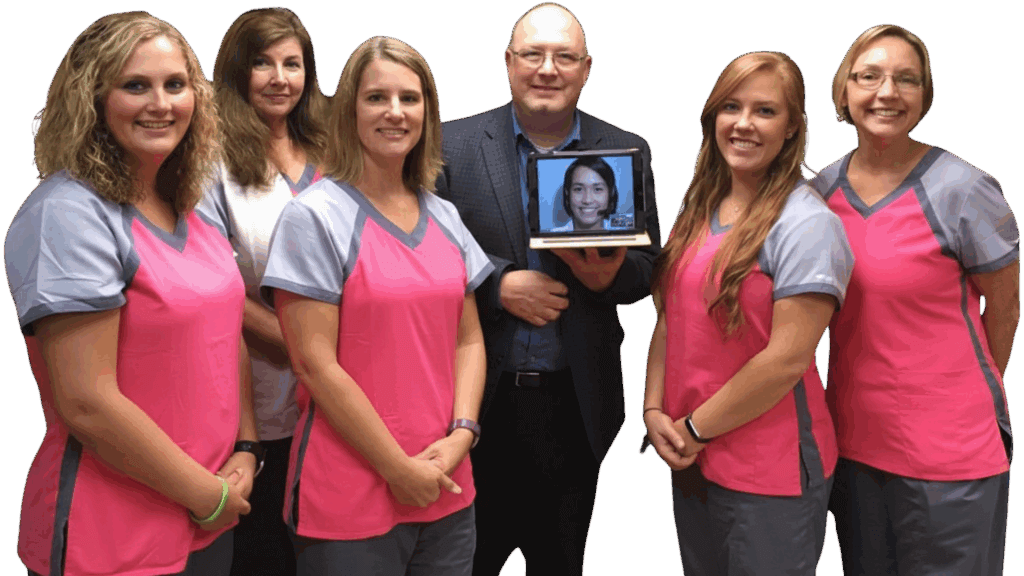
This is where Hello Rache’s Healthcare Virtual Assistants® come in. They’re trained to help manage:
- Patient communication
- Monitoring workflows
- Documentation tasks
And this is available at just $9.50 per hour.
Step 7: Track Outcomes and Optimize
As the program grows, practices should monitor both clinical and operational results.
Track metrics like:
- Billing performance
- Clinical outcomes
- Program revenue
- Patient retention
Use your data to refine your program over time.
Challenges to Consider with Remote Patient Monitoring
RPM comes with many benefits. But as a health practitioner, you should also be aware of its potential challenges.
- Patient adoption and adherence. Older or less tech-savvy individuals may struggle with new medical devices. Simple, connected medical devices and providing clear patient education can improve participation.
- Data overload. RPM programs generate large amounts of health data. Without clear workflows and alert systems, clinical teams may struggle to efficiently review incoming information.
- Staff bandwidth. Even with automation, clinical staff must review patient readings and respond to alerts. Practices need dedicated time and resources to manage RPM effectively.
- Reimbursement variability. Coverage and payment rates differ across insurers. Practices should verify payer-specific billing rules before launching a program.
- Equity and access. Rural and low-income patients may face connectivity barriers. Device selection and program design must account for this.
- Regulatory complexity. CMS rules can change over time. Stay up to date on billing policies, CPT codes, and documentation requirements.
The Future of Remote Patient Monitoring
RPM continues to evolve as healthcare organizations adopt new digital tools and care models. Several trends are shaping how RPM programs will develop in the coming years.
- Expansion of wearable devices. New wearable devices and activity trackers allow patients to monitor their health continuously. Continuous glucose monitoring and smartwatches with medical-grade sensors are expanding the capabilities of remote monitoring.
- Integration with broader care programs. Many healthcare organizations are combining RPM with programs like chronic care management. This integrated approach helps providers deliver more coordinated care for patients with multiple chronic conditions.
- AI and predictive analytics. Advanced analytics and deep learning models are helping providers move beyond simple alerts. Instead of reacting to abnormal readings, systems can analyze vital-sign data to predict potential health risks earlier.
Is Remote Patient Monitoring Right for You?
Remote patient monitoring helps providers track patient health between visits and respond earlier when conditions change.
For patients, it supports better management of chronic conditions and improves overall health outcomes. For practices, RPM also creates a sustainable care model supported by reimbursement through CPT codes.
Curious whether RPM might be right for your health? Talk to a provider to find out if remote patient monitoring devices are suitable for your condition.
Healthcare practices are also adopting RPM to strengthen patient care and improve care management between appointments.
Ready to launch or grow an RPM program?
SCHEDULE A CONSULTATION to learn how Hello Rache’s Healthcare Virtual Assistant® team can support your remote patient monitoring program.
Frequently Asked Questions About Remote Patient Monitoring
What Is Remote Patient Monitoring in Simple Terms?
Remote patient monitoring (RPM) lets doctors track your health data while you stay at home. Digital Devices measure vital signs such as blood pressure, blood glucose, and weight. The data is automatically sent to your care team. The medical team reviews it and contacts the patient if they’re concerned about something.
Who Qualifies for Remote Patient Monitoring?
Most RPM programs target patients with one or more chronic conditions. This can be hypertension, diabetes, or COPD. Medicare covers RPM for eligible beneficiaries, and many private insurers also provide coverage.
Is Remote Patient Monitoring Covered by Medicare?
Yes. Medicare covers RPM under CPT codes such as 99453, 99454, 99457, and 99458. After the deductible, Medicare typically covers about 80% of the cost. Patients usually pay around $25 per month. However, this depends on their plan.
What Devices Are Used in Remote Patient Monitoring?
Common RPM devices include
- Wearable heart monitors
- Blood pressure monitors
- Blood glucose meters
- Pulse oximeters
- Smart scales
The best devices are cellular-connected and clinically validated. This ensures they transmit data automatically to the doctor. And patients don’t need a smartphone or an app.
How Is Remote Patient Monitoring Different From Telehealth?
Telehealth is a broad term covering all virtual care services. This includes video visits and phone consultations. RPM is a specific type of remote care. It focuses on the continuous, device-driven collection of physiologic data between appointments. It’s about monitoring health trends over time, not just having a one-time virtual visit.
Can Small Practices Offer Remote Patient Monitoring?
Definitely. RPM programs are suitable for solo-provider practices. Many RPM vendors offer all-in-one solutions that include:
- Staffed care management
- Devices
- Software
This minimizes the workload on practice staff.
How Much Revenue Can a Practice Generate From RPM?
A single enrolled Medicare patient can conservatively generate around $43 to $170+ per month in RPM revenue. Patients co-enrolled in RPM and chronic care management (CCM) can generate approximately $113 per patient per month.