Remember when the soundtrack of a healthcare practice was the constant shuffling of paper, the opening and closing of file drawers, and pens scratching away?
Those days are over.
Now, offices run on screens, keyboards, and smartpens. The people behind the desks still care about their patients, but those patients now expect a fast, digital experience.
Many clinical teams are spending more time on screens than with the patient in front of them, which hurts the patient experience and the healthcare team. Administrative overload is not why they became healthcare professionals.
This is where healthcare workflow automation can make a measurable impact. In this guide, we explore how modern automation supports medical practices by managing complex workflows. Learn how to automate the right processes to improve efficiency, protect staff time, and improve patient outcomes.
Highlights
- The future of healthcare automation depends on balance. Smarter systems paired with human support, including virtual medical assistants, help protect the patient experience and long-term practice stability.
- Successful automation starts with a process audit. Practices see the best results when they automate high-volume, rule-based workflows first, such as patient intake and appointment scheduling.
- AI and machine learning support clinical workflows when used with human oversight. They help with documentation, triage, and care navigation, while people make the final decisions.
- Automation reduces administrative overload and helps prevent clinician burnout. It handles repetitive work, such as claims processing and documentation, without compromising care quality.
- Healthcare workflow automation now goes beyond simple tasks. AI-driven and agentic systems support scheduling, documentation, and care coordination across modern practices.
The State of Healthcare Workflow Automations in 2026
In 2023, generative AI was still considered an experiment.
Fast forward to 2026. And artificial intelligence is now built into everyday healthcare operations. Automation has moved well beyond simple reminders or rule-based triggers. Today’s systems understand context and adapt to real clinical environments.
This shift is reflected in market growth. The global AI healthcare market exceeded $39.34 billion in 2025 (Source: FortuneBusinessInsights). Continued growth is expected in the years ahead.
One of the biggest shifts has been the rise of agentic automation. These tools do more than follow instructions. They:
- Coordinate multisite collaboration across disparate systems
- Manage rotation schedules
- Support shift management

Ongoing development has focused on making AI:
- More aligned with the realities of modern medicine
- More reliable
- More precise
Key Challenges Solved
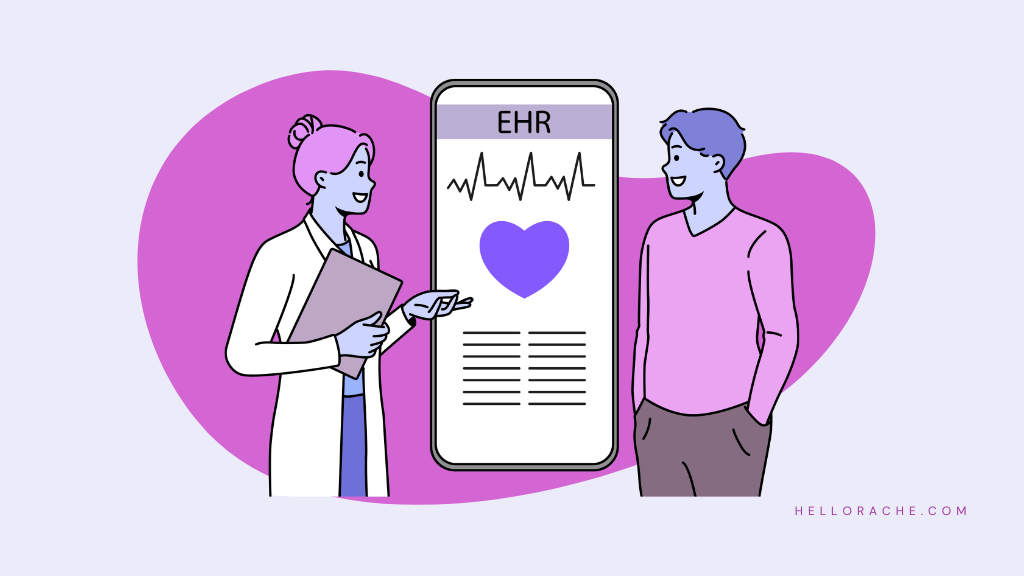
For years, EHR integration has been a major pain point in healthcare. Patient data lived in silos. Clinical notes sat in one system. Billing information was stored elsewhere.
A stronger API architecture has changed all that. Data now moves more smoothly between:
- Medical records processing
- Electronic health records
- Radiology systems
- Lab work
Workflow automation is also helping address staff burnout. By taking over insurance claims, automation reduces the time staff spend correcting errors.
That gives clinicians more space to focus on the person in front of them. Automating low-value tasks can free up 13% to 21% of clinical staff time (Source: Deloitte). This translates to more than 240 hours per clinician each year.
Key Strategies for Implementing Workflow Automation in Healthcare
You cannot simply “buy” automation and expect it to work. It requires a strategy. Many healthcare practices are struggling. This is because they try to automate an already broken process. If your clinical workflow is messy, automation will only make that mess move faster.
Identifying Processes Ripe for Automation
The best place to start is with a process audit. Take a closer look at how your team spends its day. Pay attention to recurring tasks and follow clear rules. Patient intake, appointment rescheduling, and claims operations usually fall into this category.
Instead of handing patients a clipboard, practices can use digital tools like a Smart Access Suite. Information flows directly into your EHR software. This means your team does not have to input any data manually. This approach reduces delays. It also helps reduce medical errors caused by handwriting or data-entry errors.
Best Practices for Integration
Do not try to replace everything at once. Use point solutions that play well with others. If you use Google Workspace or Google Drive, ensure your automation tools integrate with them. This makes compliance documentation much easier to manage.
Scaling comes next. Once automation is working well for appointment scheduling, move to revenue cycle management. Use analytics tools to track your success. Are you seeing fewer denied insurance claims? Is your medication inventory supply chain more accurate? Data should give you an idea of how and when you can scale across healthcare facilities.
Leveraging AI and Machine Learning for Healthcare Workflow Optimization
AI becomes valuable when it moves beyond simple rules. Machine learning and natural language processing help you respond to real clinical situations. This can include prioritizing urgent cases or providing real-time support for documentation.
AI in Complex Workflows
Clinical AI can analyze multiple data sources to flag potential issues. These include:
- Latest medical reports
- A patient’s history
- Current lab work
AI can help with stroke triage and the identification of abdominal aortic aneurysms. It does this by scanning medical images faster than a human could.
Clinical documentation automation is another game-changer. Doctors can now use voice-to-text tools to generate accurate theatre notes. The AI tool understands clinical guidelines. It also ensures the note is complete for billing system requirements.
Benefits and Pitfalls
The benefits are clear:
- Less administrative overload
- Better patient outcomes
- Higher efficiency
There are also pitfalls. Deep learning models can sometimes feel like a “black box.” Make sure your clinical teams understand why a system is making a recommendation. Never let the tool make a final clinical decision without a human sign-off. This keeps your therapy practices compliant and safe.
Meaningful Automation Implementation in Healthcare Scenarios

Real results prove these strategies work. When we look at clinics using healthcare workflow automation, a few themes stand out.
Take patient intake and onboarding as an example. Many clinics now use digital check-in tools. Patients fill out their info before they arrive. This information is entered directly into the EHR systems. (Which reduces wait times.)
Another win is automated appointment scheduling and reminders. These systems send text (SMS) messages and allow patients to reschedule appointments. This lowers “no-show” rates without your staff making a single call.
Success usually comes down to how you introduce tech tools to your team. And how you use them. Clinics that involve their teams early tend to see smoother adoption. Employees should know what AI and humans can do differently and how they can support each other.
In practice, this often means two things:
- Fewer rushed moments at the front desk
- More space for real conversations
Technology handles structure and timing. People handle reassurance, decisions, and care. When that balance is right, workflow automation reduces strain. Rather than adding another layer of complexity.
The Future of Healthcare Automation Beyond 2026
Looking ahead, healthcare automation is becoming more proactive. Automated systems are detecting health issues earlier rather than waiting for more advanced symptoms.
The focus is shifting toward:
- Earlier signals
- Smoother coordination
- Fewer last-minute disruptions for both patients and care teams
Emerging Trends
One area to watch is deeper integration with wearable technology. EHR systems are beginning to receive real-time data from patient devices. Let’s say someone has an unusual heart rate pattern. AI can flag it and prompt timely communication with the patient. This allows teams to act earlier without adding work to already packed schedules.
Operational workflows are evolving as well. Medication inventory tools are becoming more precise and easier to manage. In some settings, agentic automation already supports supply ordering before shortages occur.
Shift management is also improving. Systems are adjusting rotation schedules based on patterns like staffing demand.
Long-Term Implications
For patients, these changes mean care that feels faster, smoother, and more connected. Information moves more easily between systems, and follow-ups take place sooner. Often, before minor issues turn into bigger ones.
For providers, automation offers a way to regain focus. Regulatory requirements will not disappear. But the tools used to manage them are becoming more reliable. Over time, that balance helps protect both care quality and clinician well-being.
Adapting to a New Era of Care
Healthcare workflow automation is no longer a future concept. It is already shaping how clinics operate, how teams spend their time, and how patients experience care. From agentic automation to process audits, the most effective strategies focus on removing friction while protecting clinical judgment.
What matters most is adaptability. Technology will keep evolving. And so will patient expectations. Practices that start with clear priorities and focus on the patient experience are better positioned to keep pace.
Automation works best when it reduces pressure on clinical teams and supports care. Not when it tries to replace it.
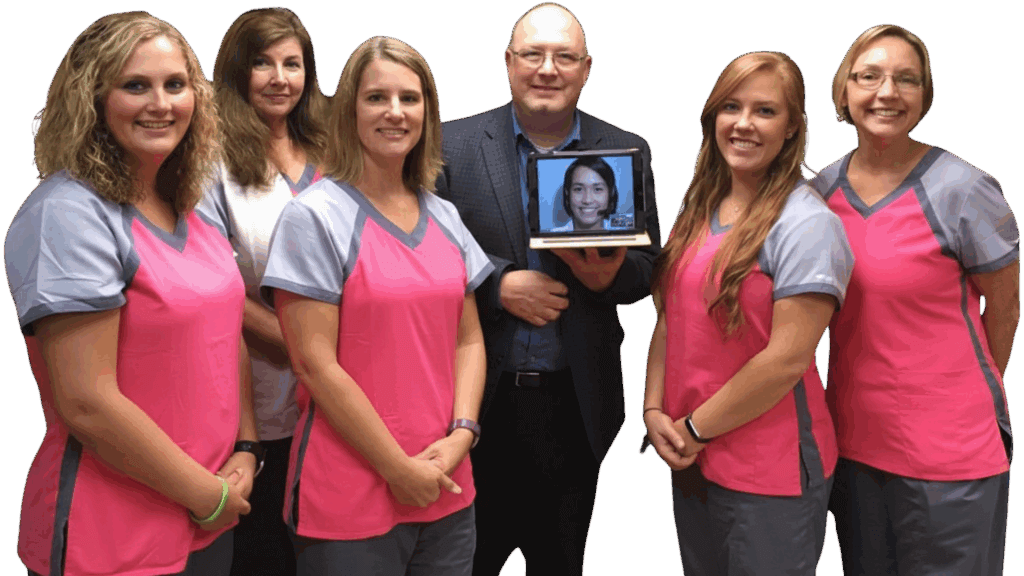
Automation can’t handle everything on its own. This is where Hello Rache’s virtual medical assistants make a difference. VMAs work alongside your systems. They manage administrative tasks, support clinical workflows, and keep operations moving smoothly.
They help bridge the gap between technology and human care. This gives your team more time to focus on patients without adding complexity.
Ready to step into a more streamlined era for your practice? Start with an AI automation that makes sense for your team, and contact Hello Rache for added support.