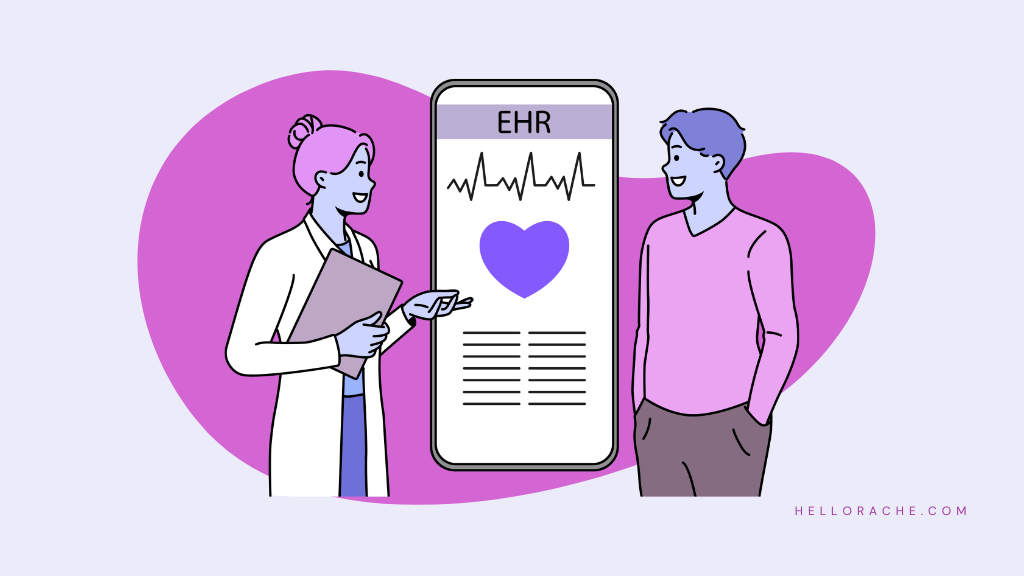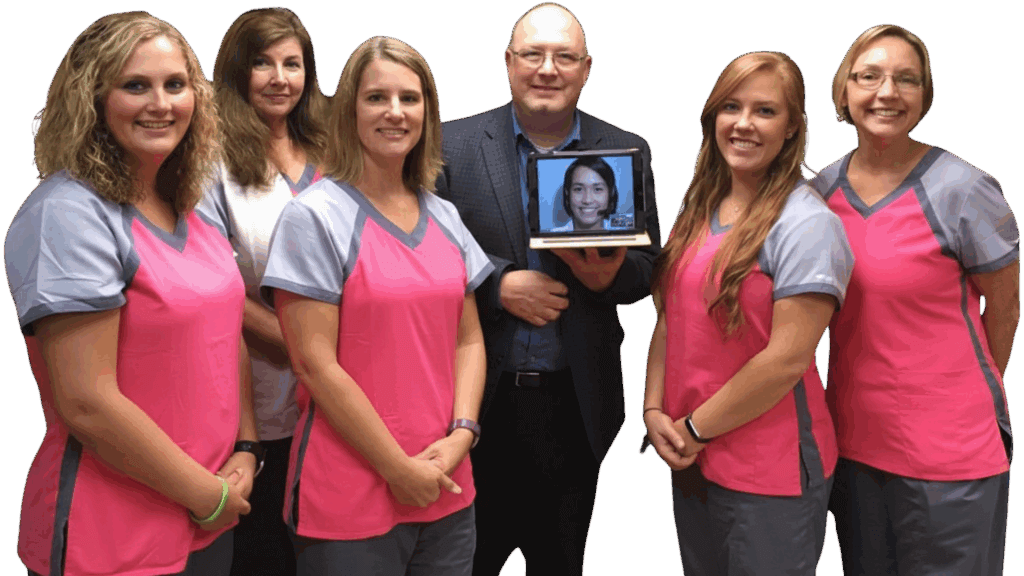
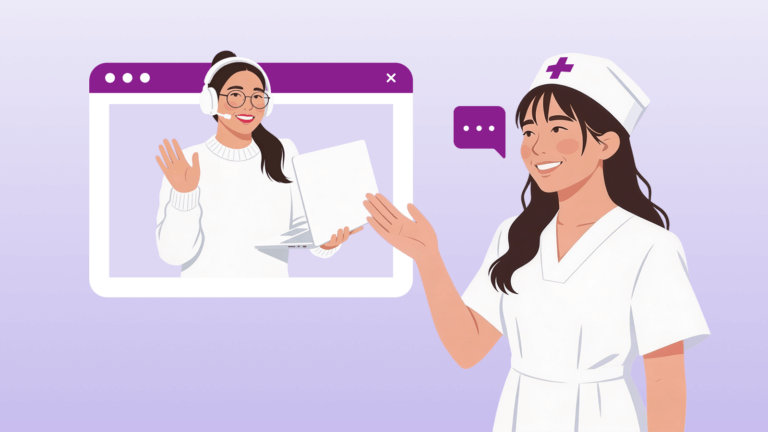
If you work in healthcare, you know how much time each week you spend on admin work. Recent reports show that clinicians spend an average of twenty-eight hours per week on administrative tasks. Medical office staff rack up over a staggering thirty-four hours on these brain-draining jobs.¹ That’s right, over half your work week.
You also know how frustrating it can be to try and keep up with these tasks while also caring for patients. This imbalance can contribute to the high medical staff burnout rates and low job satisfaction that plague the healthcare industry.
Fortunately, there’s a solution.
Virtual medical assistants (VMAs) can help. They can reduce your healthcare practice’s administrative burden, increase employee job satisfaction, and prevent burnout.
In this post, we’ll answer the question: What is a virtual medical assistant? How they help healthcare professionals recover those precious lost hours, and how to choose the right one for your practice.
Highlights
- Virtual medical assistants (VMAs) reduce administrative overload by handling tasks such as scheduling, documentation, billing, insurance support, and patient communication
- VMAs help clinicians lower burnout rates and improve patient satisfaction by streamlining daily workflows
- Healthcare practices can choose from administrative, clinical, specialized, or AI-powered VMAs depending on their needs, workload, and patient volume
- Hiring a VMA increases efficiency, improves accuracy in EHR documentation, and offers cost-effective scalability compared to full-time in-office staff
- Selecting the right VMA requires identifying your practice’s needs, confirming skills in medical workflows and software, and verifying experience and certifications
What Is a Virtual Medical Assistant?
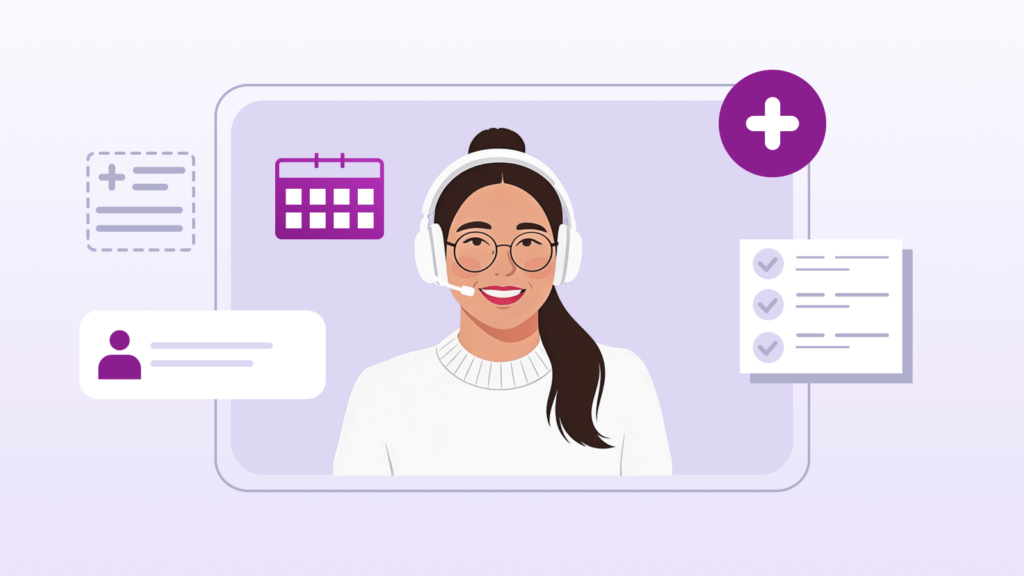
A virtual medical assistant (VMA) is a professional who provides support to healthcare professionals, medical practices, and organizations.
VMAs cover administrative, technical, and clinical healthcare tasks to HIPAA compliance, and within EMT and EHR systems. They can have administrative or clinical experience and training as nurses or medical scribes.
Duties range from assisting with patient inquiries and patient intake to documenting accurate information, managing insurance claims, and providing telephone triage.
But VMAs are more than just assistants. They provide a vast range of skills and services to healthcare organizations, and we’ll look at those next.
What Does a Virtual Medical Assistant Do?
VMAs help reduce the workload of in-office healthcare professionals by taking on time-consuming clinical and non-clinical tasks. This allows them to focus on patient care and reduce their risk of burnout.
Key tasks that virtual medical assistants, clinical, administrative, human, or AI can do to help your practice run efficiently:
- Administrative tasks: Scheduling patient appointments, handling inquiries, data entry, reminders, and follow-up management
- Clinical support: Medical transcription of real-time doctor-patient conversations and documentation into the EHR, updating patient records, and clinical notes
- Patient communication: Answering patient calls, responding to emails, and providing support through phone, chat, or telehealth platforms
- Billing and coding: Assisting with coding and medical billing tasks
- Record management: Recording, maintaining, and updating electronic medical records (EMRs)
- Insurance support and authorizations: Processing and verifying insurance coverage and claims to ensure treatment authorization
- Inventory management and stock control: Tracking inventory and reordering stock with vendors
A medical VA helps streamline operations, enabling you and your team to spend more time focusing on what matters most — caring for patients. And while patient care is the priority, so too is your and your team’s well-being!
Next, we’ll look at a recent report on healthcare professionals’ burnout rates and see why healthcare practices might need a VMA.
Why Healthcare Practices Need Virtual Medical Assistants
A recent Harris Poll study for Google Cloud identifies the heavy toll that the administrative burden is having on healthcare professionals.
The survey reports the hours healthcare professionals spend on administrative tasks:
- Medical claims professionals spend thirty-six hours per week
- Clinicians spend almost twenty-eight hours per week
- Medical office staff spend thirty-four hours per week
Healthcare providers who participated in the Harris Poll survey said their administrative responsibilities were directly associated with burnout and high staff turnover.
With 81% of medical staff and 82% of clinicians saying they’d experienced burnout symptoms.
But there is good news.
The study also reports that virtual medical assistants and AI-powered VMAs can help reduce the heavy administrative burden on clinicians and other medical professionals. This reduction both improves patient care and reduces staff burnout.
Besides helping avoid burnout and improve patient care, healthcare practices can benefit in many ways from hiring a virtual medical assistant.
Benefits of Hiring a Virtual Medical Assistant
Virtual medical assistants offer many benefits to healthcare providers. VMAs enable providers to deliver efficient, high-quality patient care while reducing costs.
Let’s dive into the benefits so you can take full advantage of what VMAs offer:
- Cost efficiency: VMAs can reduce your healthcare practice’s office space overheads, in-office employee benefits, and utility costs. You could redirect these savings to upgrading equipment and improving patient care.
- Scalability: Seasonal surges or unforeseen medical events can increase medical demands. A virtual medical assistant helps you scale your practice to meet demand without the expense of onboarding full-time on-site staff members.
- 24/7 patient care: Virtual medical assistants can work from multiple time zones. This flexibility allows your clinic to answer every patient call, question, and urgent healthcare support request, even outside of regular business hours.
- Expertise on demand: Virtual medical assistants are experts in their field. They specialize in everything from billing and coding to real-time documentation and insurance verification. VMAs can help with telephone triage, symptom evaluation, and urgency assessment.
- Patient satisfaction: A smooth coordination, fast response, and efficient paperwork from a healthcare provider helps increase patient satisfaction.
- Decreasing the pressure on in-office teams: VMAs help lighten the load on your in-house medical and administrative teams. Having them in rotation reduces burnout and increases employee satisfaction.
- EHR management and data entry: VMAs help ensure your patients’ information is up-to-date and complete in EHR systems. That way, it’s available when healthcare professionals and organizations require it.
- HIPAA Compliance and Data Security: A VMA can help your practice comply with HIPAA rules and protect your clients’ sensitive information.
- Increased efficiency: When your and your team’s workload goes down, efficiency goes up. A virtual medical assistant can help streamline your practice for success.
Types of Virtual Medical Assistants
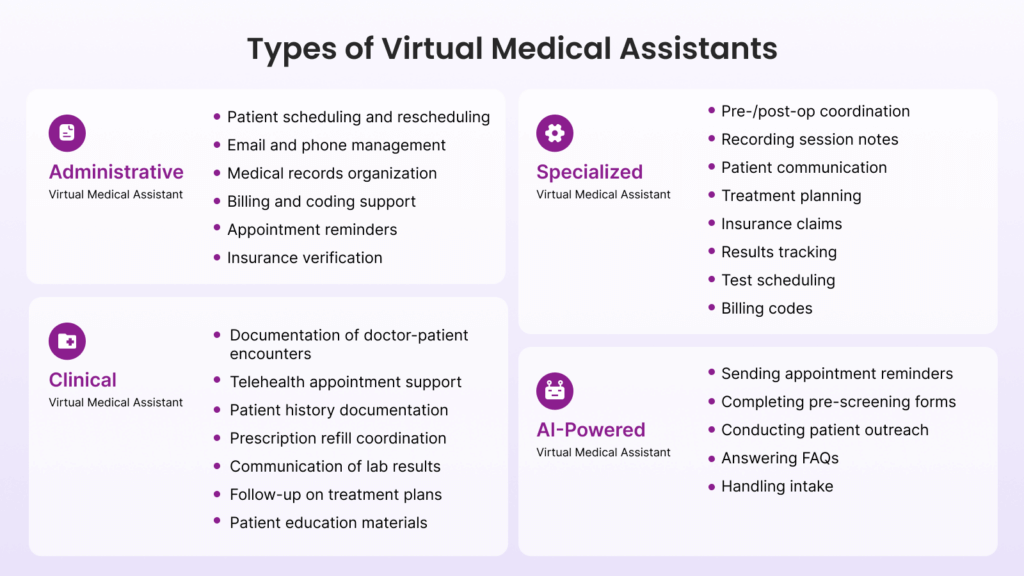
Virtual medical assistants come in two categories — administrative and clinical — and can be human or AI, or a combination of both. Besides administration, specialized VMAs are experts in their field. So, they can assist specific medical professionals.
Administrative Virtual Medical Assistant
AVMAs focus on non-clinical duties and assist healthcare providers with day-to-day operational tasks. These can include:
- Patient scheduling and rescheduling
- Email and phone management
- Medical records organization
- Billing and coding support
- Appointment reminders
- Insurance verification
Types of AVMAs:
- Virtual insurance prior-authorization and denial management specialist
- Virtual administrative assistant (healthcare focused)
- Virtual medical billing specialist
- Virtual medical receptionist
- Virtual medical coder
Best for: General practices with high patient volumes that require assistance with non-clinical administrative tasks.
Clinical Virtual Medical Assistant
CVMAs assist healthcare professionals with tasks including:
- Documentation of doctor-patient encounters
- Telehealth appointment support
- Patient history documentation
- Prescription refill coordination
- Communication of lab results
- Follow-up on treatment plans
- Patient education materials
Types of CVMAs:
- Remote patient monitoring (RPM) and care coordinator
- Telephone triage/telehealth virtual nurse
- Virtual medical scribe
Best For: Telehealth practices, chronic care management, and remote clinical support.
Specialized Virtual Medical Assistant
SVMAs support specific healthcare departments in:
- Supporting patient follow-ups
- Preparing specialty forms
- Coordinating procedures
- Ordering labs
SVMAs also have experience with diagnostic workflows and a deep understanding of specialty terminology.
Specialized virtual medical assistants are experts in:
- Pre-/post-op coordination
- Recording session notes
- Patient communication
- Treatment planning
- Insurance claims
- Results tracking
- Test scheduling
- Billing codes
Types of SVMAs:
- Mental health VMA
- Cardiology VMA
- Pediatric VMA
- Surgical VMA
- Dental VMA
Best for: Specialty healthcare practices that need specific niche expertise.
AI-Powered Virtual Medical Assistant
AI-powered VMAs, such as voice agents and chatbots, help reduce in-office high-volume, repetitive tasks, including:
- Sending appointment reminders
- Completing pre-screening forms
- Conducting patient outreach
- Answering FAQs
- Handling intake
AI-VMA duties include:
- Multilingual and accessibility assistants
- Clinical assistants for medical staff
- Remote monitoring and telehealth
- Diagnostic decision support
- Rehab and therapy support
- Mental health and wellness
- Medical management
- Administrative tasks
Best for: Medical practices looking to reduce their staff’s time spent on repetitive tasks and require an AI-VMA that integrates with eClinicalWorks, Epic, Cerner, or Athenahealth systems.
Choosing the Right Virtual Medical Assistant for Your Practice
Hiring the right VMA for your healthcare practice is crucial for successful integration, maximizing your investment, and reducing time spent on repetitive or administrative duties.
Begin by identifying your needs, such as clinical or administrative, human or AI, and whether your healthcare organization requires project-based, part-time, or full-time.
Next, define the VMA skill sets you need. These might include hard skills like experience with HIPAA compliance and data protection, technical knowledge of EMR/EHR systems, or an understanding of medical workflows and terminology. Or you may require soft skills, such as direct patient interaction skills such as clear communication and empathy.
Screening VMAs should include:
- Check prior VMA experience, such as working in a similar specialty or medical practice
- Assess how they would handle challenging situations and their problem-solving skills
- Check their proficiency in medical terminology and software
- Conduct skills tests and ask scenario-based questions
- Run reference checks with previous employers
- Verify their certifications
Streamline Your Practice With a Virtual Medical Assistant
As the demands on healthcare organizations grow, so too do administrative duties and medical staff burnout rates.
Virtual medical assistants offer a viable, scalable, and affordable solution for healthcare professionals that help regain lost administrative hours, reduce burnout, improve patient care, and employee job satisfaction.
Here at Hello Rache, our VMAs can make that solution your reality.
Now you know the answer to the question, What is a virtual assistant?
You can learn more about how a Hello Rache VMA can transform your practice by clicking here to get in touch with us.
Tell us a little about your practice and we will contact you within 24 hours.
What Is a Virtual Medical Assistant FAQs
What Does a Virtual Medical Assistant Do?
VMAs perform administrative and patient care support tasks, including appointment scheduling, medical billing, medical record management, transcription, prescription coordination, EHR updates, supply management, insurance claims, and patient communication.
Is Hiring a VMA Cost-Effective for Small Medical Practices?
Yes. VMAs don’t require office space, expensive equipment, or full-time salaries. Therefore, they provide an affordable, scalable, and flexible staff solution that’s perfect for small medical practices looking to scale.
What Skills Do Virtual Medical Assistants Need?
VMAs require healthcare and administrative experience, a strong understanding of medical office terminology and procedures, and excellent communication skills.
What if a Medical Practice Uses Specific Software?
Medical practices using EHR/EMR medical software systems should confirm that the VMA has the appropriate certification and training.
What Hours Do Virtual Medical Assistants Work?
VMAs work to flexible schedules, including after-hours emergency support, weekends, and 24/7 to meet healthcare practice needs.